
Last updated November 17, 2026
 Sliding glass doors
 Single hung
 Double hung
 Horizontal roller
 Casement
 Bay & bow
 Entry doors
 Impact garage doors
 PGT
 CGI
Free in-home measure and quote - PGT, CGI and CWS impact lines compared on your actual openings, style by style
Get your free estimateDIY vs Professional Windows & Doors: The Sunrise Manor Homeowner’s Decision Guide
Here’s the part almost nobody talks about. Nevada contractor licensing law includes a provision that lets a licensed contractor walk away from damage caused by unpermitted work done before they arrived. In plain terms: if a previous window or door install in your Sunrise Manor home was never permitted, a future contractor can decline to warranty around it, and the cost of correcting that unpermitted work lands on you. Not the installer, not the manufacturer, you. We’ve watched homeowners discover this after the fact, once a stucco wall started bulging and the repair bill came due.
This guide walks through the real decision line between DIY and hiring a pro for windows and doors in Sunrise Manor. You’ll learn which jobs a careful homeowner can genuinely handle, which ones the state of Nevada essentially requires a license for, why stucco construction changes the risk math, and how quickly the “save money” math on DIY window replacement collapses once you count tools, disposal, permits, and the wall hidden behind the frame.
Quick Answer
For most Sunrise Manor homeowners, replacing windows and exterior doors is not a safe DIY job. Weatherstripping, screens, and hardware swaps are. But once you cut into a stucco wall and set a new window, you’re in Nevada-licensed-contractor territory, and a mistake can damage the wall cavity silently for a year or more before you see it. If the work involves a permit, a stucco opening, or a warranty claim you might ever need to make, hire a professional.
Styles & brands we work with
- Single hung
- Double hung
- Horizontal roller
- Casement
- Bay & bow
- Sliding glass doors
- Entry doors
- Impact garage doors
- PGT
- CGI
Table of Contents
- Why the DIY vs Professional Question Is Really About Failure Cost
- What’s Genuinely DIY-Appropriate (and What Nevada Requires a License For)
- How Stucco Construction Changes the Risk Profile in Sunrise Manor
- The Warranty Math: Why Professional Documentation Matters
- Real Time and Tool Cost for a DIY Replacement on a Sunrise Manor 3/2
- The One Scenario Where We Say Go Ahead (and Two Where You Shouldn’t)
- Common Mistakes to Avoid
- When to Call a Professional
- Frequently Asked Questions
Why the DIY vs Professional Question Is Really About Failure Cost
The whole conversation about DIY window installation tends to focus on skill. Can you, the homeowner, physically perform the work? That’s the wrong question. Any reasonably careful person with patience can read a manufacturer’s instructions and follow them. The right question is: what does it cost when something goes wrong?
In Sunrise Manor, that failure cost is unusually high. Not because the construction is exotic, but because the dominant exterior here is stucco applied over a frame with a moisture management system hidden underneath. When a window is installed correctly, water that gets behind the stucco drains harmlessly away. When it’s installed incorrectly, water gets trapped, and the frame, sheathing, and interior drywall begin to rot from the inside out. The visible evidence shows up long after the damage is done.
We’ve been called into Sunrise Manor homes where the drywall around a window looked perfectly fine, but the wall cavity had been holding moisture for 18 months. The window itself was working. The stucco wasn’t cracked. There was simply no way for the homeowner to see the problem until the interior paint started bubbling. By then, the repair was no longer a window installation; it was a window installation plus framing repair, drywall replacement, and stucco patching.
That’s the pattern we keep seeing. DIY decisions get made on the assumption that the work either works or doesn’t work, and that a failure announces itself immediately. In stucco construction, failures don’t announce. They accumulate silently.
Here’s how the failure cost breaks down for a typical exterior window in Sunrise Manor:
- Water infiltration behind stucco: Often not visible for 12 to 24 months; repair commonly requires stucco removal, sheathing repair, and re-flashing.
- Framing rot at the rough opening: Once moisture sits in the sill plate or header for a season, the repair moves from “window” to “structural.”
- Interior drywall damage: Paint bubbling and soft corners are the first visible symptom, and they show up last.
- Permit problems: Unpermitted work that gets flagged during a future sale or refinance can force a full removal and rebuild.
The takeaway isn’t that DIY is always wrong. It’s that the calculation for DIY has to include what happens if it fails, not just what happens if it works. And in Sunrise Manor’s stucco market, the “if it fails” side of the ledger is heavier than most homeowners expect.
What’s Genuinely DIY-Appropriate (and What Nevada Requires a License For)
We want to be clear: we’re not going to tell you everything requires a pro, because that’s not honest, and it doesn’t help you make good decisions. There’s real work a Sunrise Manor homeowner can handle on their own, and it’s worth knowing which jobs those are.
Here’s our short list of DIY-appropriate window and door tasks:
- Weatherstripping replacement. Felt, foam, and bulb seals on doors wear out in our desert heat and dust. A few dollars of material and an afternoon of work will cut your heating and cooling loss noticeably, especially on exterior doors that face the afternoon sun.
- Screen replacement. Replacing torn or weathered window screens and swapping to sun-control mesh in west-facing windows is straightforward, inexpensive, and genuinely useful in Sunrise Manor’s summer.
- Hardware swaps. Door handles, locksets, window cranks, and patio door rollers are usually modular, and replacing them is a realistic homeowner job with basic tools.
- Caulking and sealing. Re-caulking the perimeter of an existing window or door frame, where the frame itself is sound, is a legitimate maintenance task and one we recommend doing every few years in our climate.
- Adjusting door strike plates and hinges. A door that sticks in summer and swings free in winter is a seasonal movement issue, and adjusting the strike plate or hinge often solves it without any window or door replacement.
What’s genuinely different is what comes after that short list. Once you’re cutting into a rough opening, removing a window or door, setting a new unit, and sealing it into a stucco wall, you’ve moved into work that Nevada’s contractor licensing law expects a licensed contractor to perform. That’s not a technicality. The permitting system exists specifically because the failure mode of improperly installed exterior openings is expensive and often invisible for months.
The line, then, is roughly this: hardware and seals are yours. Structural openings and stucco are licensed work. If you want to see what professional window installation in Sunrise Manor actually involves before you decide, that page walks through the permitting and stucco process step by step.
How Stucco Construction Changes the Risk Profile in Sunrise Manor
Most DIY window installation advice you’ll find online was written for wood-frame or vinyl-sided homes in wetter climates. Those homes have their own risks, but they’re different risks. In Sunrise Manor, the dominant exterior is stucco, and stucco changes the entire picture.
Here’s what stucco construction involves, and why it matters to a DIY decision:
The stucco is a three-coat or one-coat system laid over wire lath and a weather-resistant barrier. That barrier is what keeps water out of the wall cavity. The stucco itself is not waterproof; it’s a rainscreen that directs water down and out. When new windows are installed correctly, the flashing at the rough opening integrates with that barrier so water can drain. When installed incorrectly, the barrier is compromised at the exact place where water concentrates.
In a stucco home, that mistake is invisible for a long time. The wall cavity has no way to dry out quickly. In our desert climate, we get brief but intense rain events. A wall that got wet during one monsoon season may not show damage until the next. That’s the 18-month window we mentioned at the top. It’s real, and we’ve seen it repeatedly.
There’s a second factor specific to Sunrise Manor: sun exposure and thermal movement. Stucco expands and contracts noticeably across our summer temperature swings. A DIY installation that gets sealed on a cool morning can develop hairline cracks at the flashing within a single summer, and those cracks let water in. This is the kind of failure a professional installer is specifically trained to anticipate by choosing sealants and flashing methods that accommodate movement.
We’ve also seen DIY window replacements in Sunrise Manor where the old frame was pulled out without checking what was behind it. On some homes, that means discovering that the rough opening is 3/4-inch off from where the new window wants to sit, or that the sill has old termite damage, or that the previous window was installed with no flashing at all. Any one of those discoveries turns a two-day DIY project into a wall reconstruction.
The stucco factor also cuts against the “just be careful and it’ll be fine” advice. You can be extremely careful, follow every instruction, and still install a window into a wall problem you couldn’t see. This is why professional installers in Sunrise Manor routinely open the wall cavity, inspect, and address what’s underneath before installing. A DIY project that doesn’t do this can look perfect and still be failing inside.
The Warranty Math: Why Professional Documentation Matters
Here’s a question most homeowners don’t ask until it’s too late: is the warranty still valid? Window and door manufacturers, including the brands we install like PGT, CGI, CWS, and ViewLux, typically structure their warranty coverage around professional installation and documented installation practices. The warranty is usually on the product, but it’s conditional on the product being installed to the manufacturer’s specification by a qualified installer.
That conditional language matters in three ways for a DIY project:
- Product warranty claims require installation records. If a seal fails or a frame warps, the manufacturer’s warranty department will typically want documentation of how the unit was installed. A homeowner with receipts for the product but no installation documentation may find that the manufacturer declines the claim on the grounds that installation wasn’t verified.
- Glass and seal failures are the most common warranty claims. These fail disproportionately when the frame is out of square or the opening isn’t drained, which are exactly the errors a first-time installer is most likely to make.
- Impact ratings and energy certifications can hinge on installation. If you’re installing impact-rated windows for storm protection, the manufacturer’s rated performance assumes the unit was installed per the certified method. A DIY install that doesn’t follow that method can void the rating in practice, even if the product itself is rated.
This is where the DIY warranty math gets uncomfortable. A homeowner who buys a window from a big-box store and installs it themselves typically has the product warranty as their only coverage, and it’s the coverage that’s most likely to be denied. A homeowner who uses a licensed installer with a documented process has both the product warranty and the installer’s workmanship warranty, and the two back each other up.
Our view is that this is the single most overlooked part of the DIY vs professional decision. People compare the price of the product versus the price of a professional bid and think the gap is the labor mark-up. It’s not. Part of that gap is the warranty protection you’re paying for, and it’s real money when a glass unit needs replacing in year four.
Real Time and Tool Cost for a DIY Replacement on a Sunrise Manor 3/2
Let’s do the actual math, because this is where DIY tends to look better than it is. We’re going to price out a standard Sunrise Manor 3/2 with, say, eight exterior windows and one sliding glass patio door, which is a common configuration in this market. That’s a realistic first DIY project for a confident homeowner.
Here’s an honest accounting of what a DIY approach to that scope typically involves:
| Item | DIY Cost Range | Notes |
|---|---|---|
| Windows (eight units, mid-grade) | $2,400 – $4,000 | Product only, no install |
| Sliding glass patio door | $900 – $1,800 | Product only |
| Permits | $150 – $350 | Still required even if you DIY |
| Tools (if not already owned) | $400 – $900 | Oscillating tool, pry bars, flashing tools, level, spray foam gun, etc. |
| Materials (flashing, sealant, trim, foam) | $250 – $500 | Higher end if stucco patching needed |
| Disposal | $100 – $250 | Old windows and doors rarely fit in a standard bin |
| Stucco repair (typical, after removal) | $300 – $1,200 | Often overlooked; varies by scope |
| Labor (yours, roughly) | 4 – 8 weekends | Realistic for a first-timer on nine openings |
| Total out-of-pocket | $4,500 – $9,000 | Before any repairs for mistakes |
A professional bid for the same scope, with permits pulled, inspections passed, and a workmanship warranty, typically runs higher than the low-end DIY number and lower than the high-end. But the professional bid comes with the products already covered by an installer’s documented process, the stucco detail done correctly, and the warranty chain intact.
The comparison gets more lopsided once you price your own time at anything above zero and add the likelihood of at least one opening needing rework. And it gets dramatically worse if the stucco has to come off twice. We’ve seen homeowners spend six figures on a home and then overpay by the price of a whole window in material waste and re-done work.
If you’re pricing out a whole-home project, the window replacement page for Sunrise Manor lays out the line-item bid structure we use, so you can compare it directly against the DIY number above. It’s usually the fastest way to see the real gap.
The One Scenario Where We Say Go Ahead (and Two Where You Shouldn’t)
We don’t think every homeowner should call a contractor for everything. Here’s our honest position.
Go ahead if: the window or door in question is a sound unit that just needs a hardware swap, screen replaced, weatherstripping refreshed, or a fresh bead of caulk. Those are genuinely yours to do, and you’ll save real money doing them. We’ll happily tell you so on the phone.
Stop and call a pro if: you’re opening the stucco wall at all. That’s the line. Once the wall is open and a new unit is going in, you’re in licensed work, and the failure mode is invisible for months. We’ve never seen a homeowner who regretted calling in a pro for a stucco opening, and we’ve seen many who regretted not calling.
Stop and call a pro if: the job involves a permit, an impact rating you’re relying on for insurance or code, or any expectation that the manufacturer’s warranty will cover you. All three of those things depend on documented professional installation. A DIY install can put all three at risk at once.
That’s the whole map. Everything else is a judgment call, and we’re happy to make it with you over the phone.
Common Mistakes to Avoid
- Assuming the existing opening is square. In Sunrise Manor’s stucco homes, rough openings are frequently out of square by a half-inch or more, and a DIY installer who doesn’t measure and adjust for that gets a window that binds and leaks. Openings need to be checked with a level and a tape before anything is ordered.
- Skipping the permit because “it’s just one window.” Nevada requires permits for exterior opening work regardless of count, and unpermitted work can come back to bite you at resale or refinance. There is no “small enough to skip” version of this for exterior openings.
- Not checking what’s behind the old frame. Rot, old termite damage, missing flashing from a prior install, and undersized framing all show up when you pull a window out. Plan for the possibility, or you’ll be making a same-day decision under pressure.
- Sealing the new window with the wrong product. Standard interior caulk fails at our summer temperature swings and should never be used on stucco flashings. Getting the sealant and flashing method right is a specific skill.
- Buying a window without verifying the impact rating requirement. If your home is in an area where impact rating matters for insurance or code, buying a non-rated product to save a few hundred dollars can cost you more than the savings at insurance renewal.
- Counting the second weekend as “just one more.” DIY window replacement almost always runs longer than the first estimate. A first-time installer on eight openings should plan for 4 to 8 weekends, not two, and even that assumes no surprises.
- Forgetting that waste disposal is a real line item. Old windows and doors are bulky, heavy, and hard to legally dispose of without a truck or a paid haul-away, and that cost is easy to leave out of the DIY math.
When to Call a Professional
Call a professional for anything that involves opening the stucco wall, installing a new window or door, relying on a manufacturer warranty, or satisfying a permit or inspection requirement. Call a professional if you’re not sure what’s behind the old frame, if the job involves an impact-rated product, or if the home is more than about 15 years old and hasn’t had its windows or doors reviewed since original install.
Call us if you’re working through the DIY vs professional question and want an honest answer. Winslow Windows & Doors has installed windows, doors, and roofing in Sunrise Manor and the surrounding communities since 2011, and we’re an authorized installer for PGT, CGI, CWS, ES Windows, ECO Window Systems, Mr-Glass, Therma-Tru, and ViewLux. Every job is backed by our 36500-Day Done Right Promise: if it’s not done right, we make it right. Our technicians have up to 15 years of experience, are background-checked, and arrive in uniform. A live person answers the phone 24 hours a day, and we don’t charge a trip charge inside the home county.
Winslow Windows & Doors Sunrise Manor offers free estimates in Sunrise Manor. Call (844) 761-9603.
Frequently Asked Questions
In most cases, no. Nevada’s contractor licensing law expects exterior opening work, including window and door replacement, to be performed by a licensed contractor, and permits are typically required regardless of who does the work. A homeowner can pull their own permit in limited circumstances, but the work still needs to meet the same standards, and the failure mode behind a stucco wall is invisible for months. Call (844) 761-9603 for a free estimate and a clear answer on your specific situation.
Weatherstripping, screen replacement, hardware swaps (handles, locks, cranks), and re-caulking a sound frame are all realistic homeowner jobs. These don’t involve opening the wall or touching a permit. Everything past that line, particularly anything involving stucco or a new unit, is professional work in our view. If you’re unsure which side of the line your project is on, call (844) 761-9603 and we’ll tell you straight.
A professional whole-home window replacement in Sunrise Manor typically runs higher than the low-end DIY product cost, but the DIY number underestimates by the time you add permits, tools, disposal, stucco repair, and rework. Realistically, a DIY 3/2 project totals $4,500 to $9,000 in out-of-pocket before any mistakes. Professional bids include permits, inspections, and a workmanship warranty. Call (844) 761-9603 for a written line-item estimate you can compare directly.
It can. Manufacturers like PGT and CGI typically structure their warranty around professional installation and documented install practices, so a DIY install can put the product warranty at risk if the claim hinges on installation. Impact ratings and energy certifications can also depend on documented professional installation. Call (844) 761-9603 to have us walk you through what your specific product warranty requires.
Stucco walls have a weather barrier behind the stucco that manages moisture, and a poorly set window compromises that barrier at the exact point where water concentrates. Unlike wood-frame or vinyl-sided homes, the damage doesn’t announce itself quickly; in Sunrise Manor’s climate, moisture can sit in the wall cavity for 12 to 24 months before you see evidence inside. That’s why professional installation with proper flashing matters most here.
It often does. Unpermitted exterior work can be flagged during a buyer’s inspection or a refinance appraisal, and Nevada’s licensing law can limit your ability to recover from a subsequent contractor who declines to warranty around the prior work. The correction cost lands on you. Call (844) 761-9603 for a free second opinion on any written estimate before you commit to a path.
The Bottom Line
DIY windows and doors in Sunrise Manor come down to what failure costs, not whether you’re handy. Weatherstripping, screens, hardware, and caulk are yours to handle. Stucco openings, new window installations, anything involving a permit, and anything where a warranty might matter are professional work, and the 18-month invisible-damage window in stucco construction is why. The time-and-tool math on a DIY 3/2 build rarely beats a professional bid once permits, disposal, stucco repair, and rework are included. If you’re on the fence, get a real estimate before you decide.
Call Winslow Windows & Doors Sunrise Manor at (844) 761-9603 for a free estimate. We’ll tell you honestly which side of the line your project is on. Impact windows in Sunrise Manor and every other install we do come backed by our 36500-Day Done Right Promise and a team that answers the phone at 2 a.m. We’re the one down the road. Start with our Winslow Windows & Doors Sunrise Manor home page to see the full range of what we install.
Written by the team at Winslow Windows & Doors Sunrise Manor.
See the difference
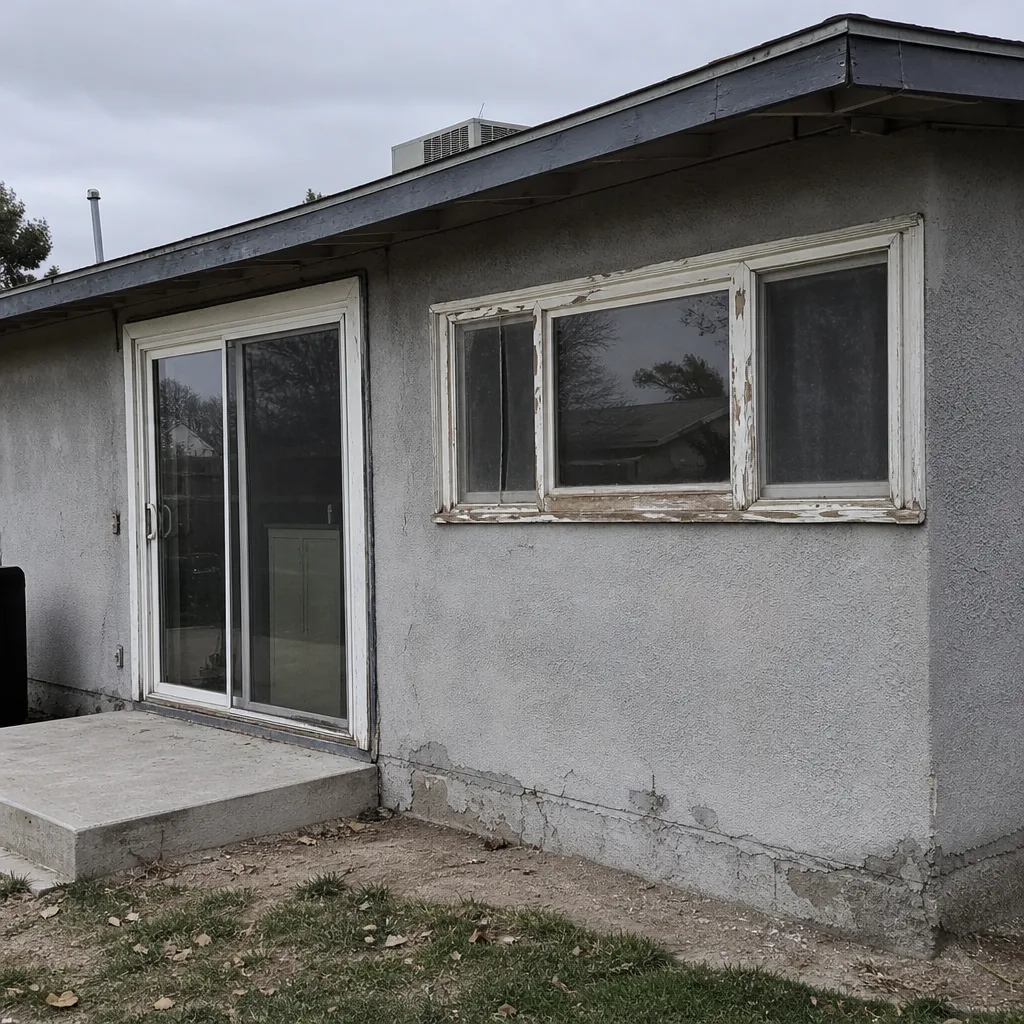 Before
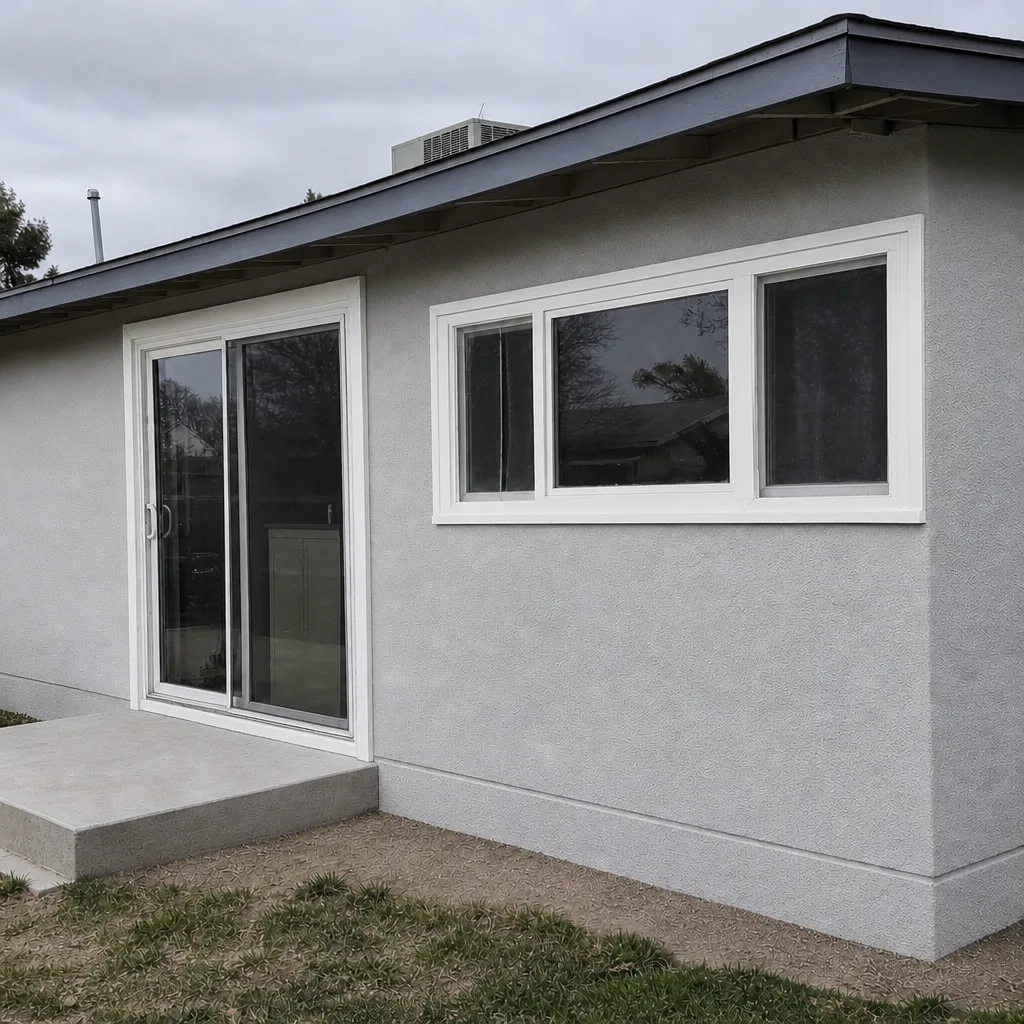 After
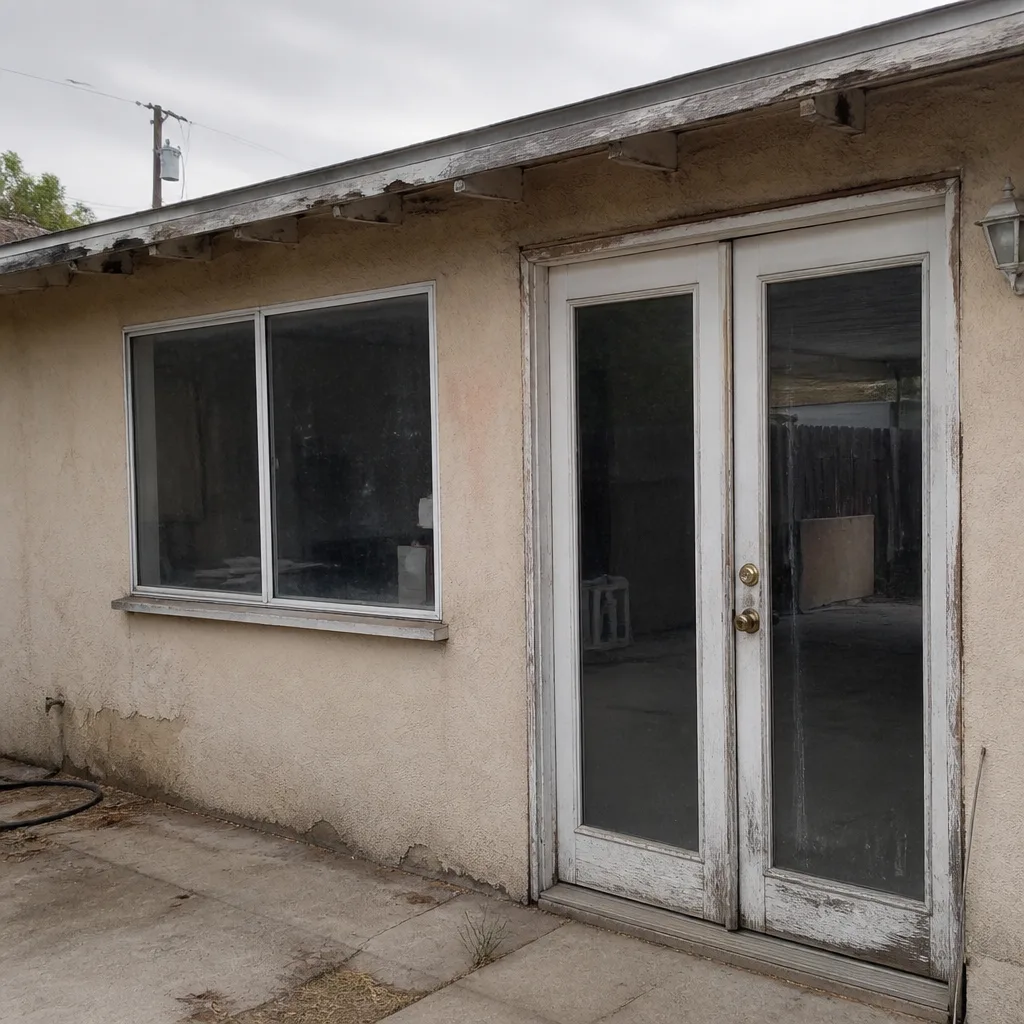 Before
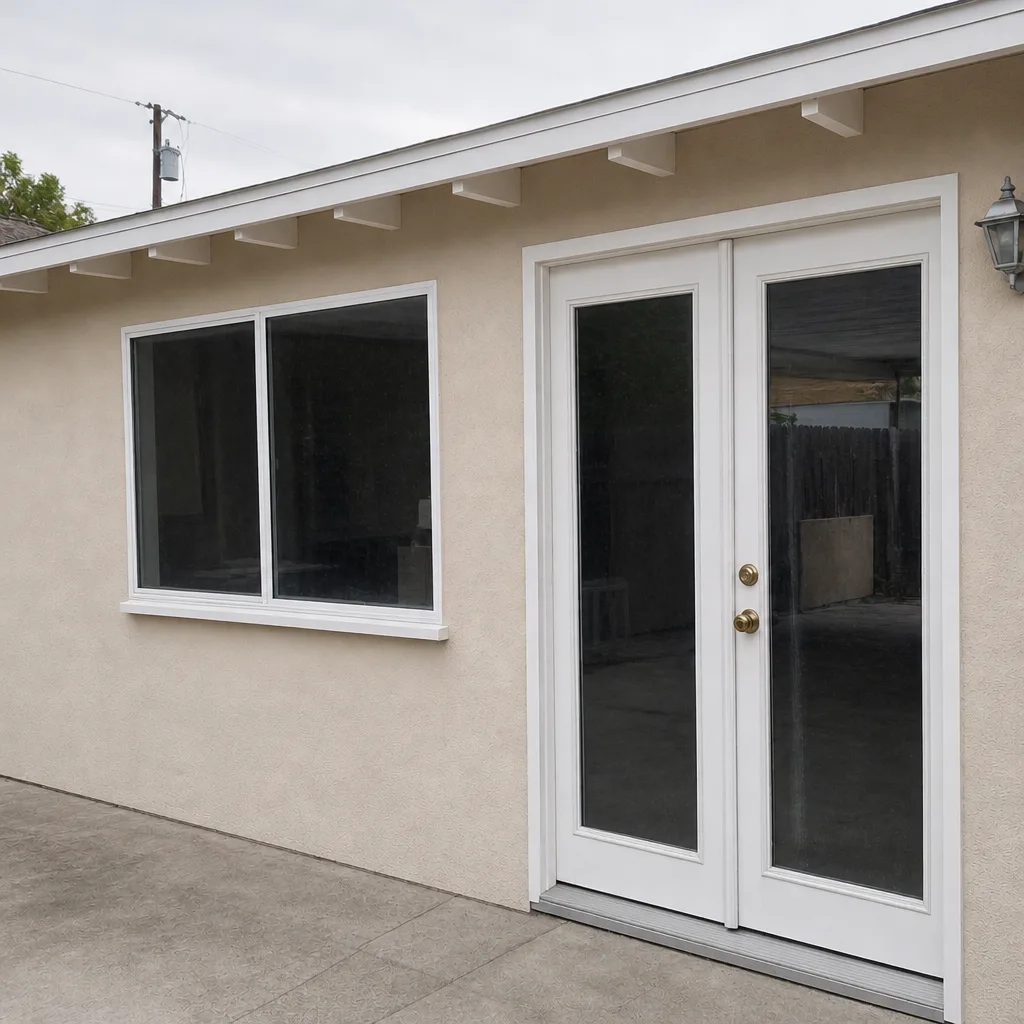 After
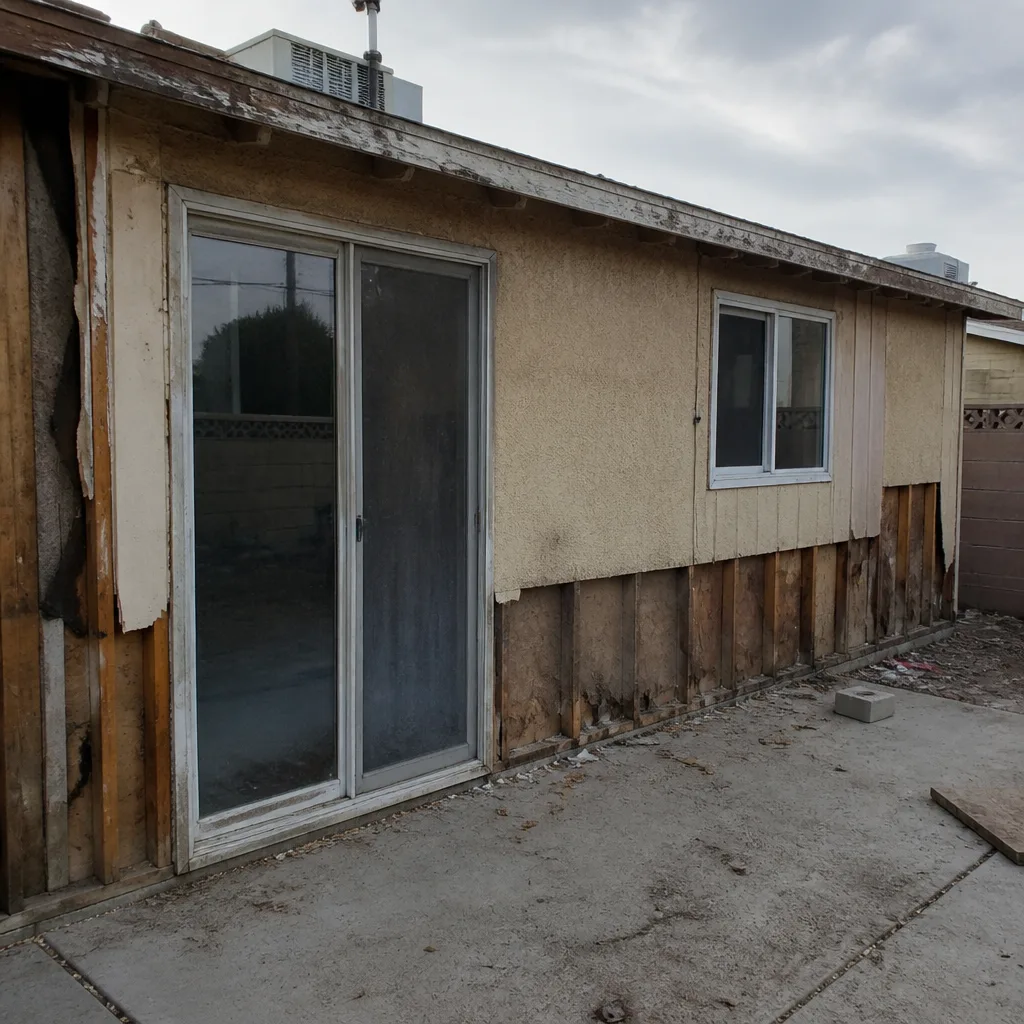 Before
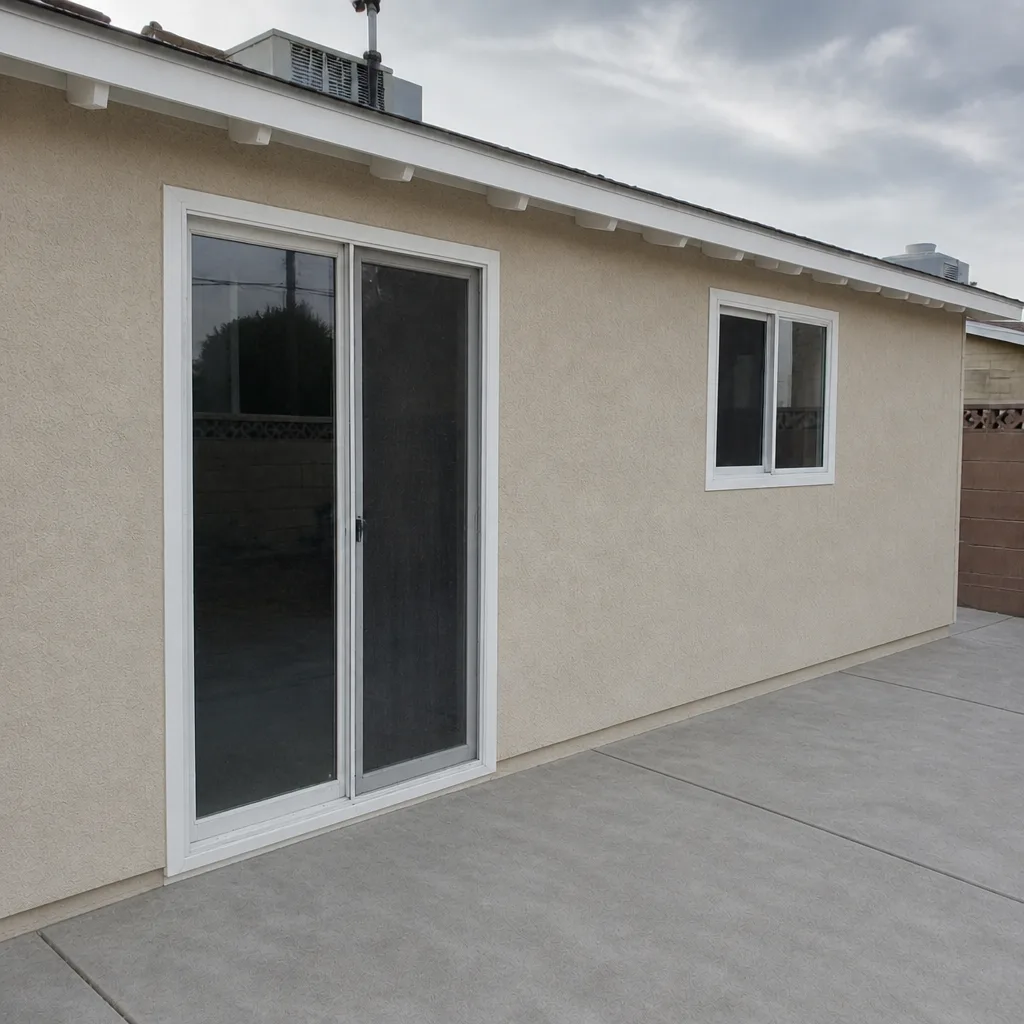 After