
Last updated November 17, 2026
 Sliding glass doors
 Single hung
 Double hung
 Horizontal roller
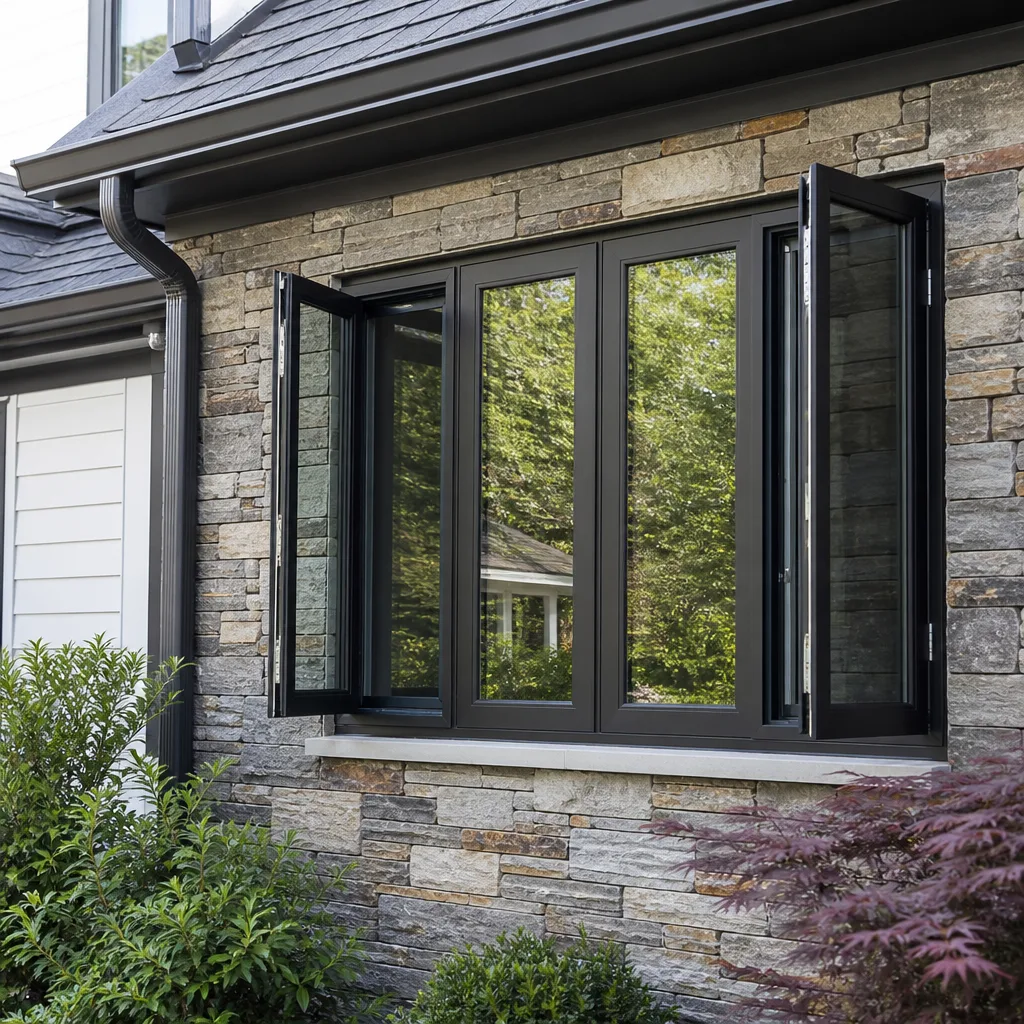 Casement
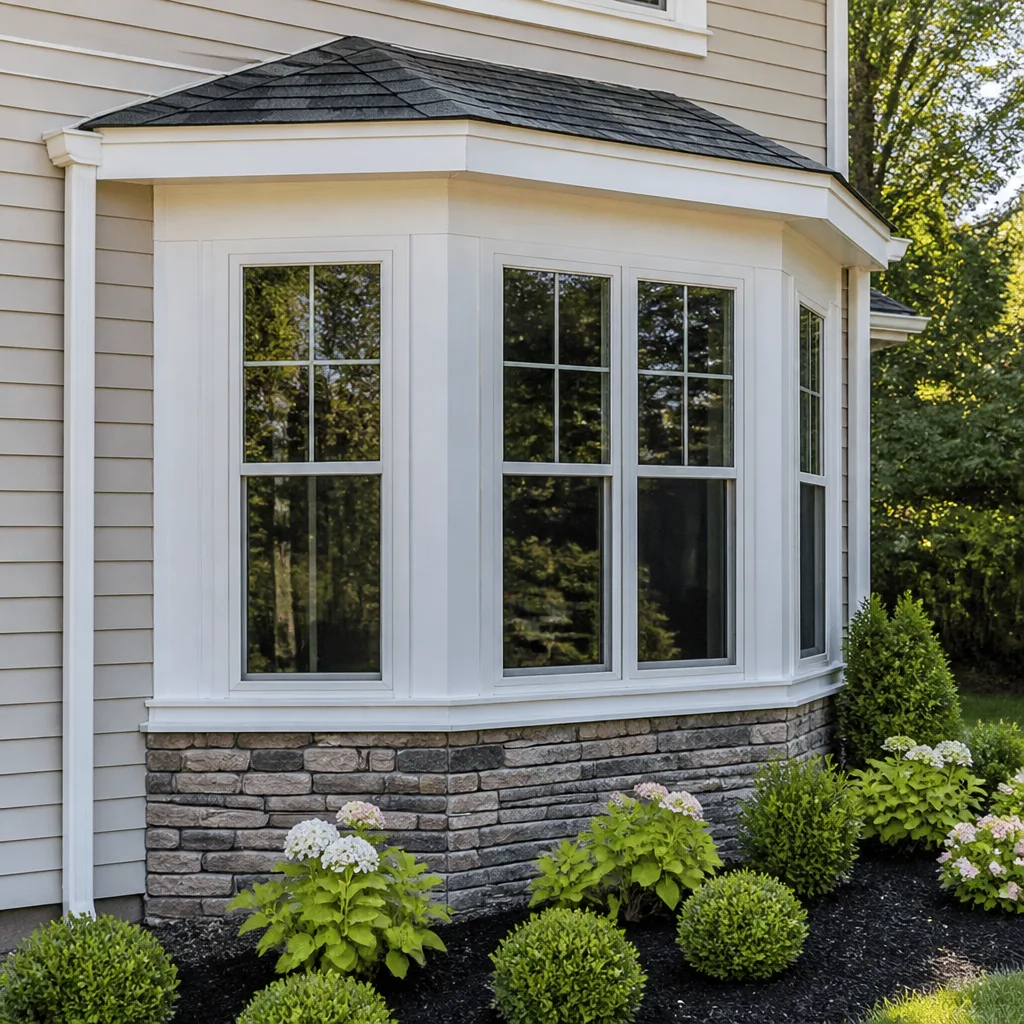 Bay & bow
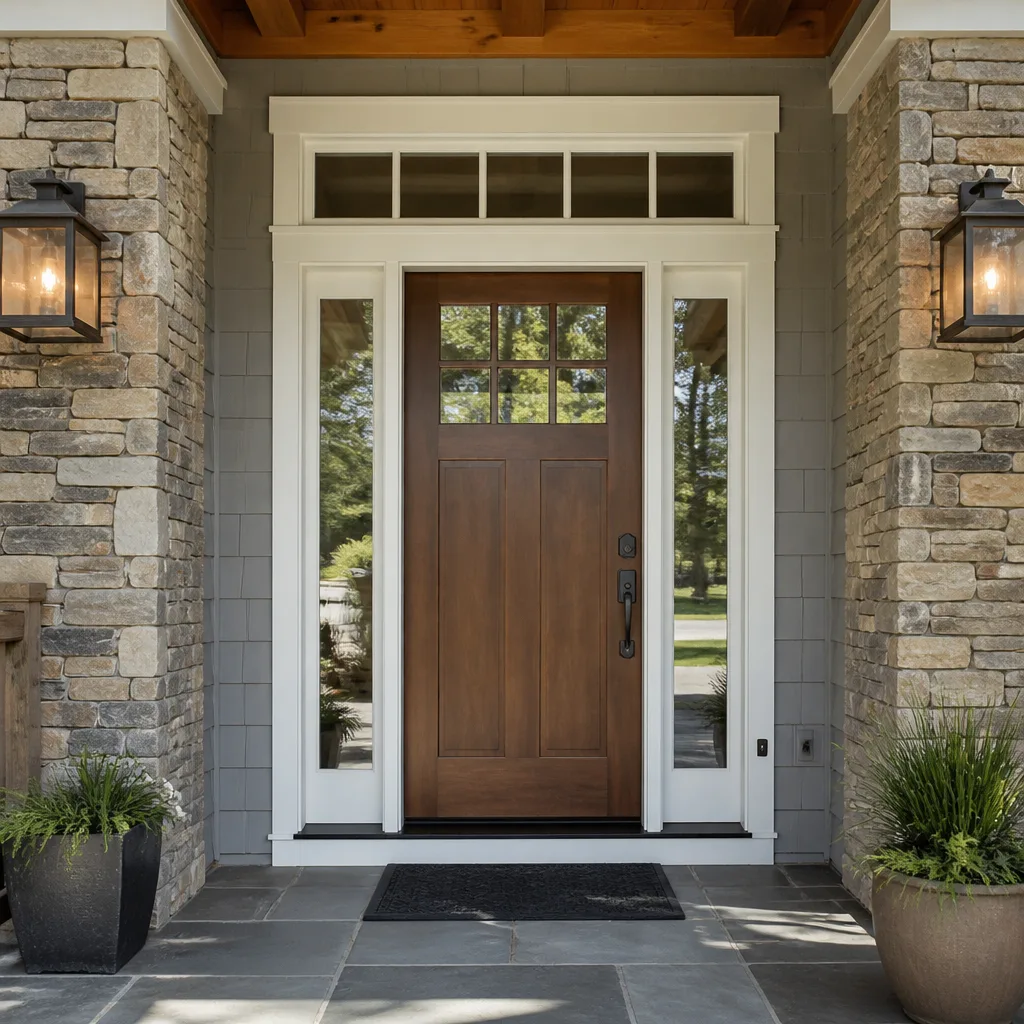 Entry doors
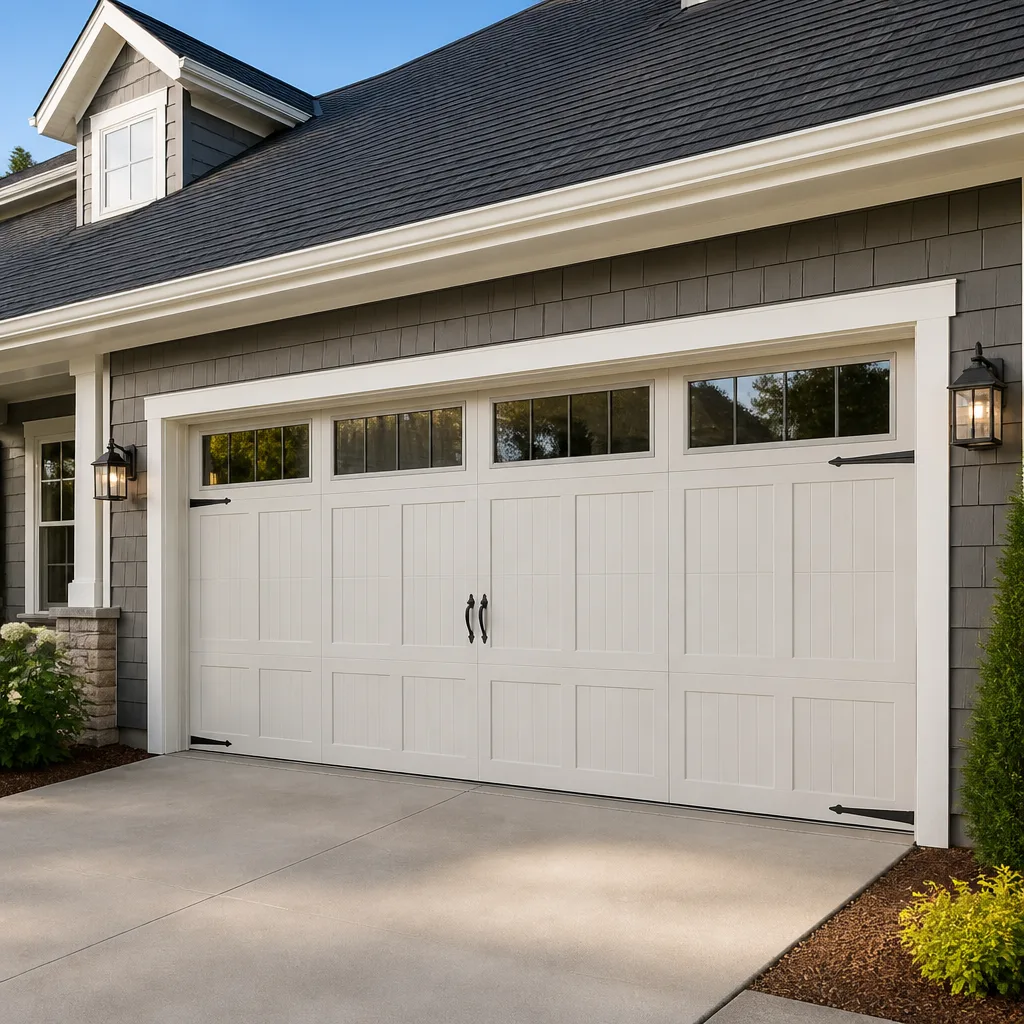 Impact garage doors
 PGT
 CGI
Free in-home measure and quote - PGT, CGI and CWS impact lines compared on your actual openings, style by style
Get your free estimateWindows & Doors Warning Signs: A Sunrise Manor Homeowner’s Reference Guide
A sticky sliding door in Sunrise Manor is almost never about the door. It’s about the frame, and in nine out of ten cases we see, it traces back to a slab that has shifted and a homeowner who has been compensating with WD-40 for two years. That’s the thing about window and door problems in this valley: the symptom you notice is rarely the cause you’d guess. A draft isn’t always weatherstripping. A hard latch isn’t always hardware. Fog between panes isn’t a cleaning problem. We wrote this guide so you can read your own home’s signals correctly, tell a $40 fix apart from a $4,000 replacement, and stop paying for the wrong repair. Sunrise Manor’s climate writes its own rulebook, and this is it.
Quick Answer
Window and door warning signs in Sunrise Manor fall into two categories: problems you can fix cheaply and problems that signal deeper failure. Fog between panes, drafts that show up only on windy days, and peeling caulk are usually minor or targeted repairs. Sliding doors that stick seasonally, cracks that widen, and water stains at window corners inside the wall cavity point to foundation movement or flashing failure. Read the symptom correctly and you’ll know which is which before you spend a dollar.
Styles & brands we work with
- Single hung
- Double hung
- Horizontal roller
- Casement
- Bay & bow
- Sliding glass doors
- Entry doors
- Impact garage doors
- PGT
- CGI
Table of Contents
- The Draft Test: Weatherstripping vs. Frame Failure
- What Condensation Between Panes Tells You
- Doors That Latch in Winter but Stick in Summer
- Exterior Paint Peeling Near Window Corners
- The Noise-Change Test for Impact Windows
- Desert Heat, UV, and Your Windows: The Sunrise Manor Timeline
- The Five-Minute Seasonal Inspection Checklist
- Repair or Replace? A Framework
The Draft Test: Weatherstripping vs. Frame Failure
Not every draft means the same thing. This is the single most misdiagnosed window problem we see in Sunrise Manor, and the mistake usually costs the homeowner real money in one direction or the other.
A draft that shows up only on windy days, feels strongest around the moving sash, and disappears on a calm afternoon is almost always weatherstripping. The pile seal on a sliding window or the compression seal on a casement compresses about 1/8 inch every year in this heat. When the seal loses contact, air slips past. That’s a $40 to $120 repair to replace the stripping. Done.
A draft that’s constant, feels cold even on still nights, and can be traced to the outer edge of the frame, where the window meets the stucco, is a different animal. That’s air coming around the frame itself. It means the perimeter seal has failed, or the frame has shifted enough to open a gap. The fix is re-flashing and re-caulking the opening, or, if the frame has moved permanently, replacing the unit. That’s a $400 to $2,500 job depending on what’s behind the wall.
How to tell them apart in 60 seconds:
- Light an incense stick or hold a tissue near the moving sash, then near the frame corners. Where the tissue flutters tells you which zone is leaking.
- Run the same test on a calm day. If the draft vanishes when the wind stops, it’s weatherstripping.
- Check the frame edges for a visible gap or cracked caulk line. If you can see daylight, it’s a frame issue.
- Feel the wall around the opening. A cold or damp patch just past the window corner is a frame-and-flashing sign, not a seal sign.
If you misread it, you either replace a whole window that only needed new stripping, or you re-caulk a frame leak that has already pushed water into your wall cavity. One cost you extra. The other cost you a wall. Our window installation in Sunrise Manor work starts with this exact diagnosis, because the correct answer depends on it.
What Condensation Between Panes Tells You
Fog or water droplets between the panes of a double- or triple-pane window mean one thing: the factory seal on the insulated glass unit (IGU) has failed. Once that seal breaks, outside air with humidity gets into the space, and the gas fill leaks out. The window is no longer insulating as designed.
Here’s the Sunrise Manor-specific part most guides skip. Our desert UV load accelerates the degradation of the seal. Sunrise Manor sits at roughly 2,000 feet elevation with intense sun and wide day-to-night temperature swings. A failed IGU doesn’t sit there quietly for years like it might in a milder climate. It degrades fast. In our experience, you’ll see the fog get worse within one to two summers. Sandblasting from valley dust storms speeds up the process by abrading the edge sealant.
When the fog shows up, what to check:
- Timing. Morning fog that clears by noon is often condensation on the outside. Fog that stays all day is inside the glass and means seal failure.
- Location. Fog at the bottom corner of the pane is the classic failed-seal pattern. Fog everywhere usually means a seal that’s gone completely.
- Performance change. A failed IGU no longer blocks heat the way it did. If a formerly cool west-facing room now feels hot by 3 p.m., the glass is the culprit.
- The laminate layer. On impact-rated windows, the interlayer also pushes back against UV. When that bond weakens, you’ll sometimes see a haze or a slight ripple in the glass.
One fogged pane doesn’t mean a whole window replacement is due, but it does mean that unit is losing efficiency every month it stays. In the desert, that shows up in your power bill before it shows up anywhere else.
Doors That Latch in Winter but Stick in Summer
A door that’s hard to latch in July and fine again in January is not a hardware problem. It’s a foundation and frame signal. We see this all the time in Sunrise Manor, and it’s the one that fools people most.
The mechanism is straightforward. Slab foundations move with moisture and temperature. In winter, when the ground is cooler and the house settles, the door frame opens up slightly and the strike plate lines up. In summer, when the frame swells and the slab shifts with heat, the door binds against the strike. Adjusting the hardware won’t fix it for long, because the hardware was never the problem.
Tell the difference between a hardware issue and a frame issue:
- Seasonal pattern test. If the door sticks during hot months and works during cool ones, it’s frame movement. If it sticks year-round, it could be hardware or a sagging hinge.
- Gap test. Close the door and look at the gap between the door and the frame. A gap that’s tight at the top corner and wide at the bottom means the frame has racked.
- Crack check. Look for hairline cracks radiating from the door’s top corners, or a crack running up the wall above the opening. That’s a foundation signal.
- Plumb test. Set a level against the door edge. A door that’s out of plumb by more than 1/8 inch over its height means the frame is out of square.
A rough seasonal door in Sunrise Manor is worth taking seriously because the valley’s soil movement is real. If the frame has racked enough to bind the door, the fix isn’t WD-40 or a bigger strike plate. It’s getting the opening back to square, which may mean reframing and reinstalling the door, or in some cases a Winslow Windows & Doors Sunrise Manor home assessment to determine whether the door or the frame should go.
Exterior Paint Peeling Near Window Corners
Paint peeling around a window corner is a warning, but the warning is not the same in every case. It’s how you read what’s underneath that matters.
If the paint is peeling in tight, brittle flakes right at the caulk line, it’s a caulk issue. The caulk has failed, water gets behind it, and the paint lets go. This is a maintenance repair. Strip, clean, re-caulk, and repaint. Expect to re-caulk every three to five years in Sunrise Manor, faster than most national guides suggest, because UV degrades the sealant year-round here.
If the paint is peeling in larger sheets with visible bubbling and softness around the corner, it’s a flashing issue. Water is getting behind the flashing above the window and running down inside the wall. The flashing should have shed that water. This one gets expensive if it’s ignored. The repair involves removing the window trim, checking and resetting the flashing, and re-sealing the opening.
If the paint is peeling and you can see dark staining or feel soft, spongy drywall around the window corner inside, water is already inside the wall cavity. That’s the worst case. The fix is opening the wall, repairing whatever has rotted, and rebuilding from the inside out. In Sunrise Manor’s climate, water inside a stucco wall does damage fast, because the stucco traps it against the substrate while the desert heat bakes it. We’ve seen interior drywall rot in as little as one monsoon season when the flashing was failed.
Retail paint products and one-part caulk have no chance against Sunrise Manor’s sun. If you’re doing the repair yourself, use a polyurethane sealant rated for high UV and high temperature. It costs more up front and lasts three times as long.
The Noise-Change Test for Impact Windows
Impact-rated windows are built with a laminated glass layer that holds the glass together when something breaks it. That laminate also happens to block more sound than standard glass does. Which means your ears can tell you something is going wrong before your eyes can.
If your home’s impact windows have always muffled the street noise, and then over a few months that noise starts creeping back in, the laminate bond may be giving up. You won’t necessarily see a crack. What you’ll notice is the room getting louder by degrees, or a particular window that suddenly lets in the neighbor’s lawnmower. Look at the glass surface at a low angle. A fine haze, a faint bubble at one corner, or a subtle ripple in an otherwise smooth surface means the interlayer is separating.
Here’s the Sunrise Manor angle: our UV levels are brutal and they age the laminate layer faster than most product specs assume. We see it often on west- and south-facing windows that get eight hours of direct sun a day. Windows on shaded sides last longer. When you’re checking yours, prioritize the sun-facing ones. And when you hear the difference, don’t wait. Once the laminate bond has failed, that window’s impact rating is compromised, and no amount of caulk or weatherstripping gets it back. That’s a Sunrise Manor impact window replacement, not a repair.
For the untapped potential in your existing installation, the Sunrise Manor window replacement you’d consider should start with this acoustic test. It tells you which windows are actually failing and which are fine, which saves you money on the ones you keep.
Desert Heat, UV, and Your Windows: The Sunrise Manor Timeline
The kinds of failures we’ve described happen everywhere eventually. In Sunrise Manor, they happen on a compressed timeline. Knowing roughly when to expect each one lets you plan and budget instead of getting surprised.
| Warning Sign | Typical First Appearance | What It Likely Means | Rough Cost Range |
|---|---|---|---|
| Wind-only draft | 8-12 years after install | Weatherstripping failure | $40-$120 |
| Constant frame draft | 10-15 years | Perimeter seal or flashing failure | $400-$2,500 |
| Fog between panes | 8-15 years | IGU seal failure | $250-$900 per unit |
| Seasonal door sticking | Any age if slab is active | Foundation or frame movement | $150-$3,000+ |
| Caulk-line paint peel | 3-5 years after caulk | Sealant degradation | $100-$400 |
| Bubbled paint, soft wall | Any age if leaking | Flashing failure, wall intrusion | $800-$5,000+ |
| Lost acoustic performance | 10-18 years on sun-facing glass | Laminate bond failure | $400-$1,200 per unit |
These ranges are based on what we see across Sunrise Manor neighborhoods. Washington Avenue and the older sections west of Nellis Boulevard hold more original 1970s and 1980s window stock, so the fog-and-seal failures show up there often. Newer construction off Hollywood Boulevard and near the Sunrise Trailhead is more likely to show the door-frame and flashing patterns. Both patterns are real and both are fixable. The range just gives you a planning number.
One more local reality: monsoon season is your stress test. Every year from July through September, Sunrise Manor windows and doors get pushed by wind-driven rain and dust. If something is going to fail, that’s when it reveals itself. Walk your exterior in October with a flashlight while the memory of the last storm is still fresh.
The Five-Minute Seasonal Inspection Checklist
You don’t need a ladder or special tools to catch most of these problems early. Do this twice a year, once in spring before the heat builds and once in fall after monsoon season.
- Draft test. On a windy day, walk every window with a tissue and check the sash edge and the frame edge. Note which zone flutters.
- Fog scan. From inside, look at every window in flat daylight. Note which panes have fog or a haze, and where it sits.
- Door cycle. Open and close every exterior door. Note any that bind, scrape, or won’t latch smoothly. Check the gap at the top and bottom of each door.
- Caulk-and-paint walk. On the exterior, check every window and door corner for cracked, curled, or peeling sealant. Probe any bubbled paint with a fingernail.
- Noise memory. Stand in each room in silence and listen. If a formerly quiet spot is noticeably louder than before, that window deserves a closer look.
- Interior wall check. At every window corner inside, look for stains, softness, or curling paint. A stain here is the most important sign to take seriously.
Write your observations down and date them. A pattern over a year tells you far more than a single inspection, and if you do end up calling for an estimate, that record is gold. Our team has up to 15 years of experience reading exactly this kind of history, and a good technician will find the pattern in five minutes that took a year’s worth of notes to spot.
Repair or Replace? A Framework
The question isn’t whether the window is old. It’s whether the failure is isolated or systemic. Here’s the framework we use to decide.
Repair is the right answer when: the failure is in a single component, the frame is square and plumb, and the window is otherwise performing. Weatherstripping, caulk, a single failed IGU, a strike plate adjustment, all repair jobs. You get another 8 to 12 years out of the unit. Our window replacement assessment often ends with “this one doesn’t need us yet.”
Replacement is the right answer when: multiple units have failed the same way, the frame is out of square, the glass has lost its impact rating, or the interior wall shows moisture. At that point you’re not repairing a window, you’re managing a water problem in a wall, and the window is the cheapest part of the fix. Decide carefully. The wrong call in either direction costs real money.
A few rules of thumb we live by. A single unit failure in a house full of working windows: repair. Three or more units on the same wall failing within a year of each other: replace that wall. Any sign of water inside the wall: stop repairing and fix the opening. Any binder of evidence that the frame is out of square: no repair will hold.
And “repair or replace” depends on the product, too. The premium brands we install, including ViewLux, PGT, and CGI, are built with replaceable IGUs and replaceable hardware. On those, repair extends life meaningfully. On builder-grade windows, we’ve seen replacements come due before the original warranty expires, and that’s where planning beats patching every time.
Common Mistakes to Avoid
- Replacing the whole window when only the weatherstripping failed. This is the most expensive misdiagnosis we see in Sunrise Manor. A $40 fix gets replaced with a $900 replacement because the draft was read wrong.
- Re-caulking over a flashing problem. If the paint is peeling in sheets and the wall feels soft, a new bead of caulk just hides the water for a season. The flashing is the problem, not the seal.
- Adjusting the strike plate on a door that won’t latch seasonally. The plate moves back into place when the slab shifts again, and the real frame movement keeps getting worse. Fix the cause, not the symptom.
- Ignoring a fogged IGU because it’s “just cosmetic.” In Sunrise Manor’s UV load, a failed IGU degrades fast and steals efficiency every month it’s left in place. The power bill is the cost; waiting is the mistake.
- Blaming the noise on a new road or a new neighbor. If your room got louder and nothing outside changed, that’s your laminate. Check the glass before you check the map.
- Letting the monsoon season be your only inspection. One walkthrough a year catches the obvious. Two catches the pattern. If you’re walking your exterior after a storm, you already missed the earlier signal.
- Skipping the free second opinion. A written estimate that doesn’t explain the failure is an estimate, not a diagnosis. Ask what’s failed and why, and get a second read before you commit.
See the difference
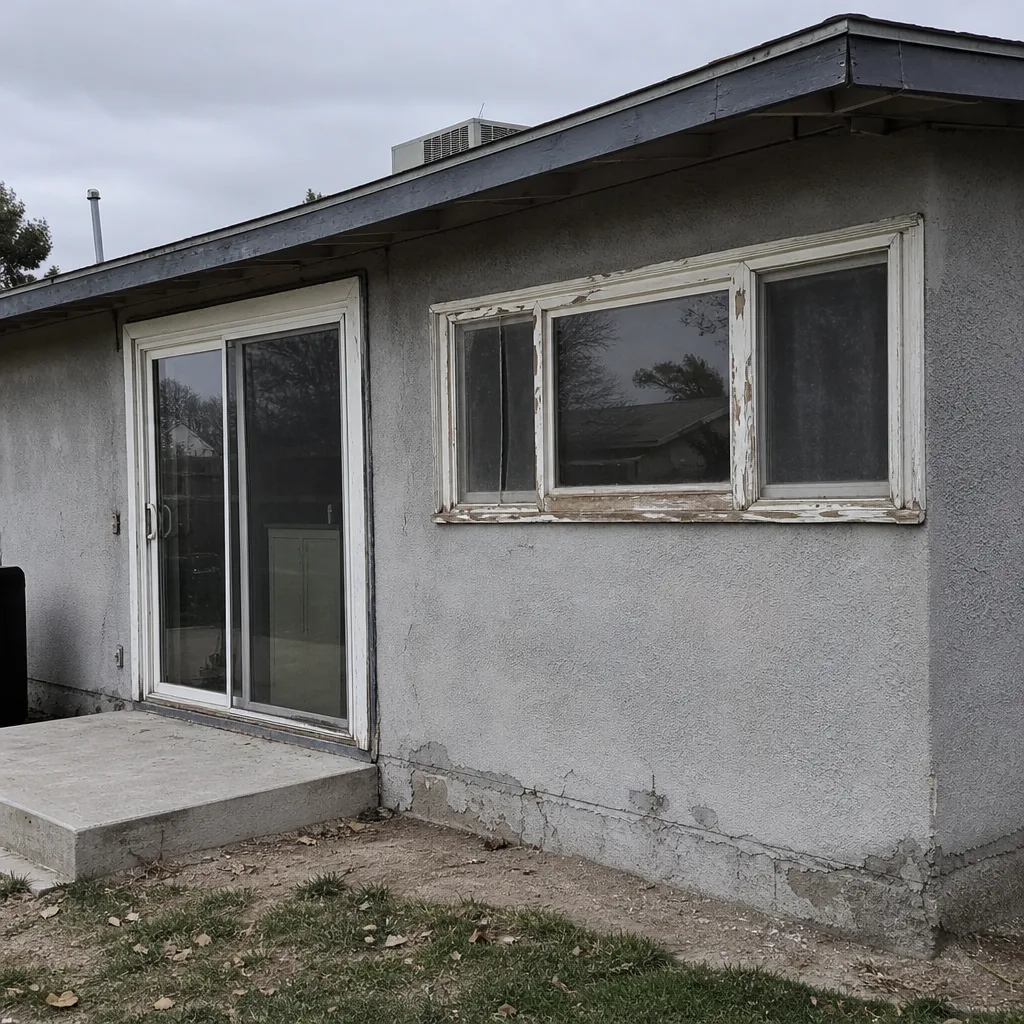 Before
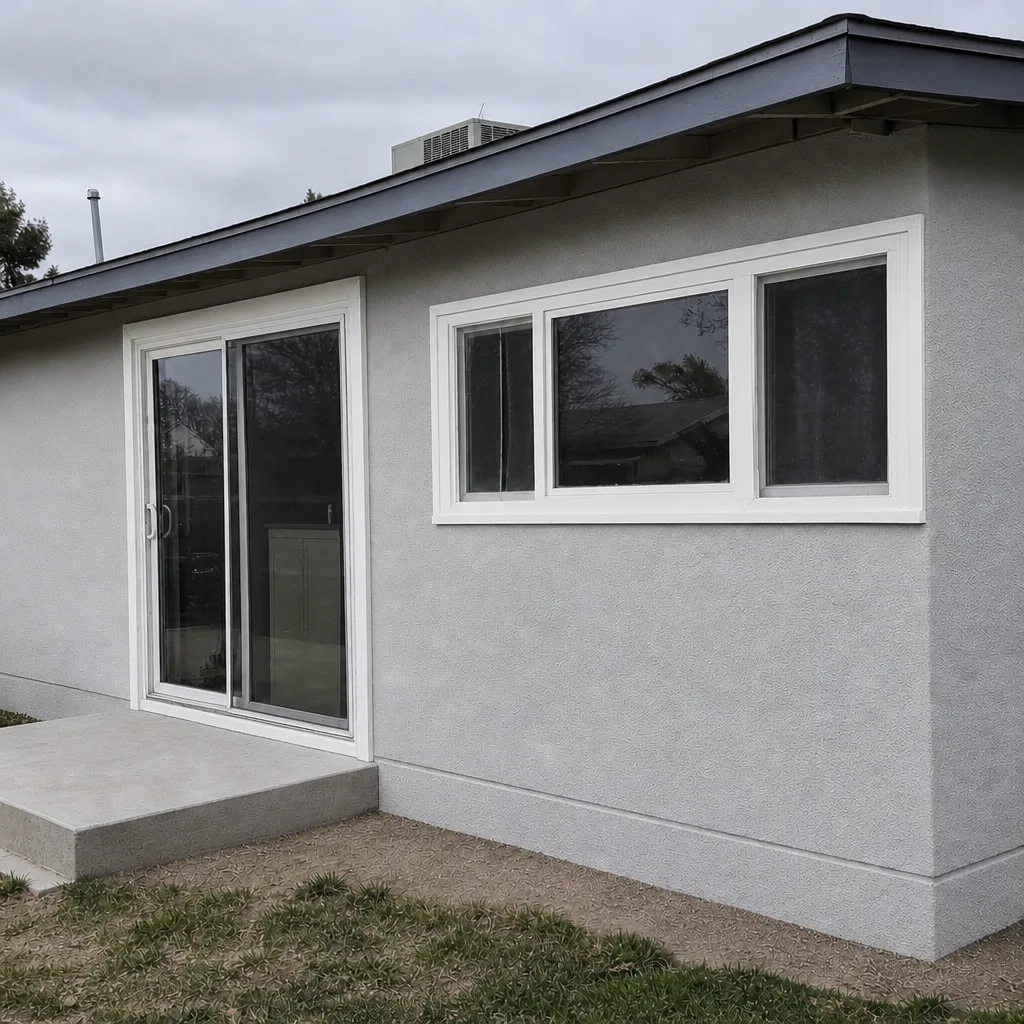 After
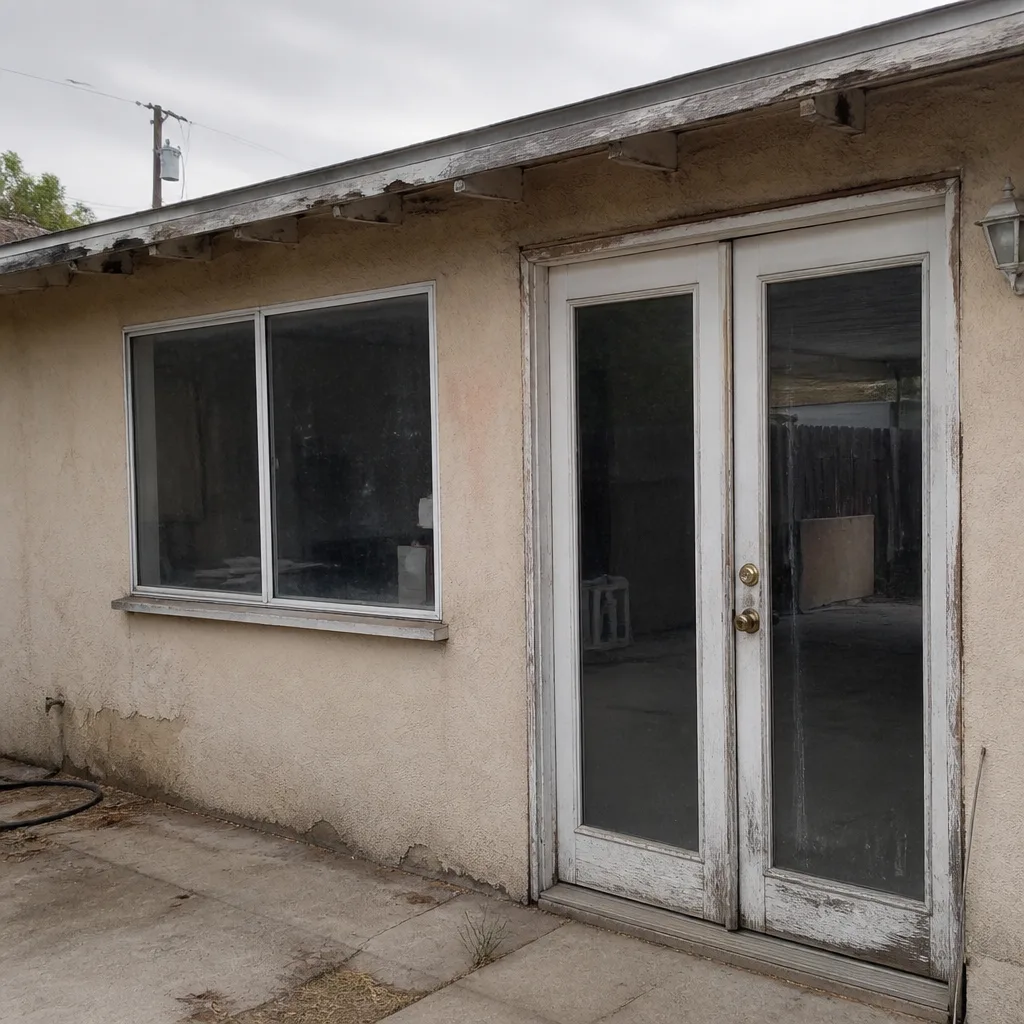 Before
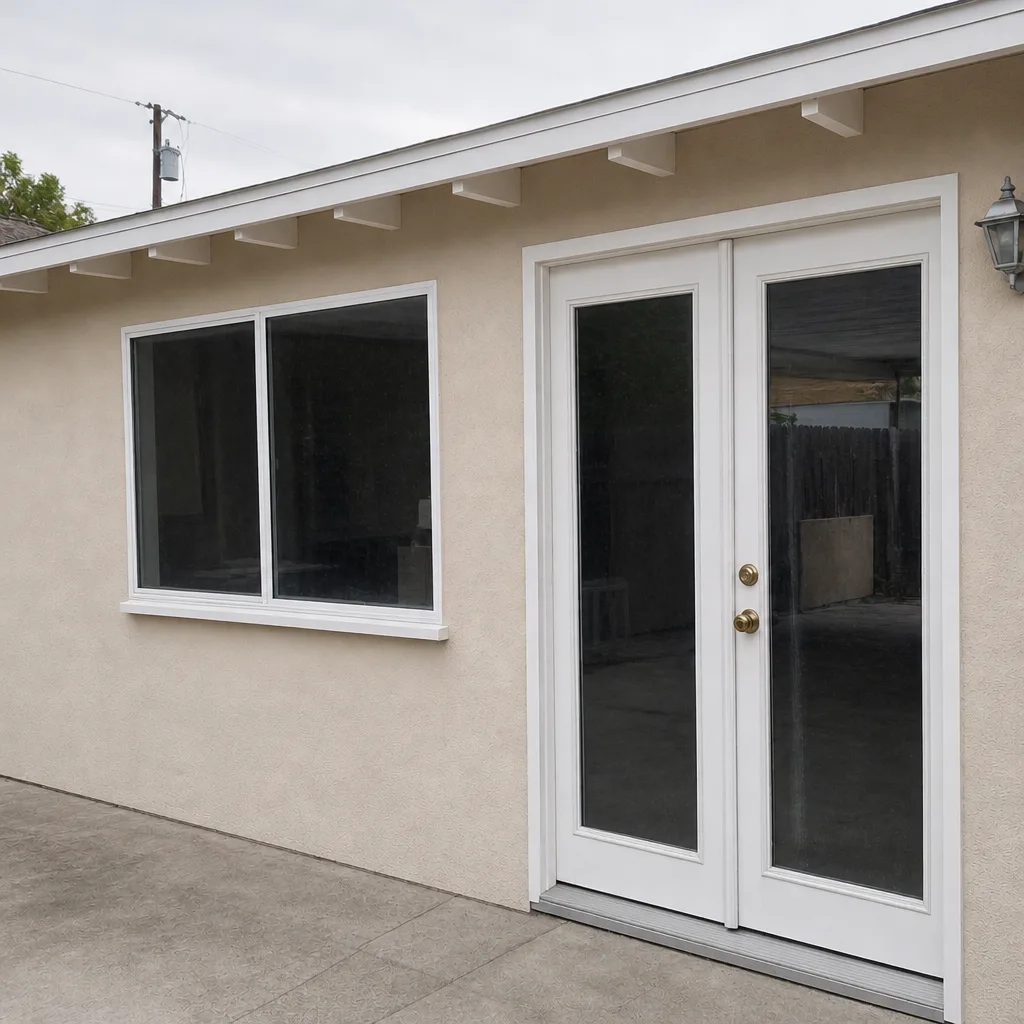 After
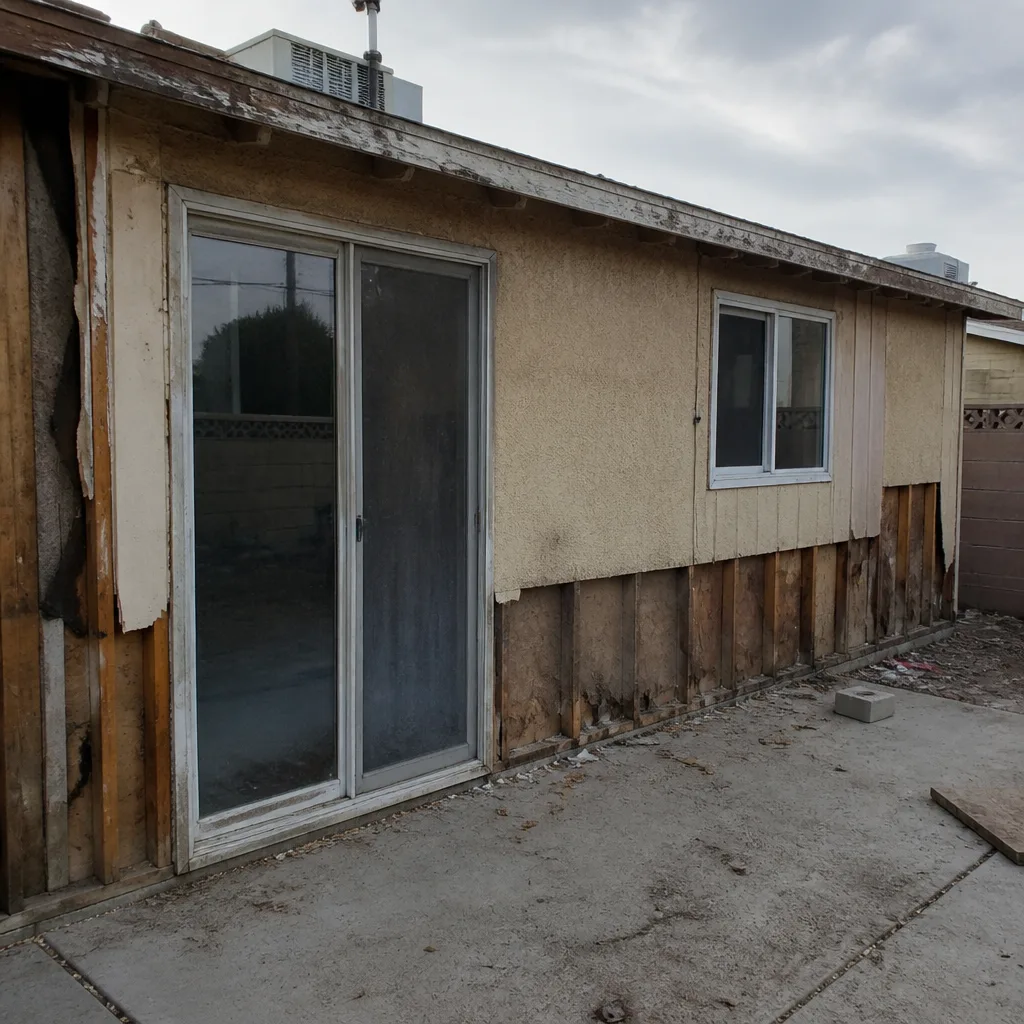 Before
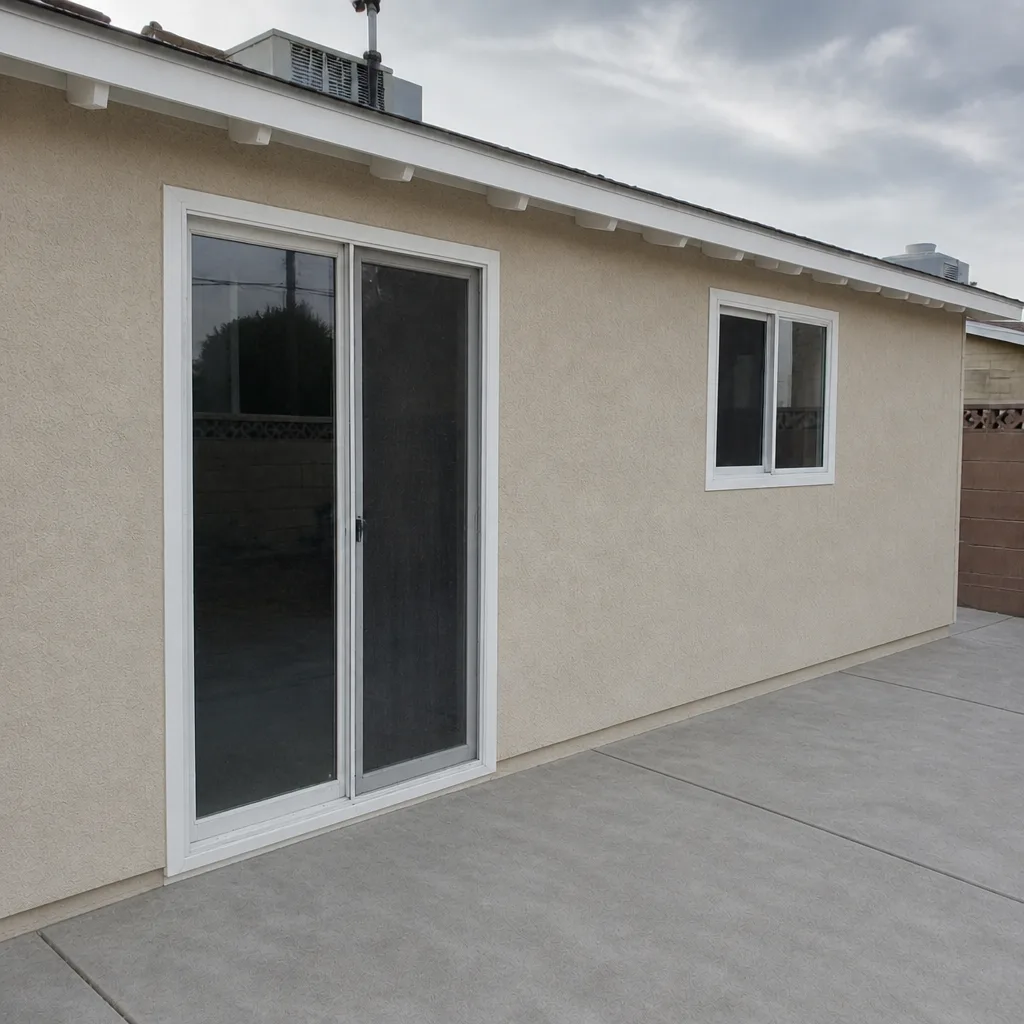 After
When to Call a Professional
You can handle the inspections yourself. You should call us when the signs point to something structural: a door that racks or won’t latch seasonally, water stains or soft drywall at any window corner inside, paint bubbling in sheets on the exterior, or multiple failed IGUs on the same wall. Add impact windows whose acoustic performance has faded to that list. Those are the cases where the wrong repair doesn’t just cost money; it hides a problem that gets worse.
Winslow Windows & Doors Sunrise Manor offers free estimates in Sunrise Manor – call (844) 761-9603. A live person answers at any hour, and the estimate is written line by line so you can see exactly what failed and exactly what the fix costs. No surprises on the invoice.
Frequently Asked Questions
If the draft shows up only on windy days and the tissue flutters at the moving sash, you likely need new weatherstripping, a repair. If the draft is constant and the tissue flutters at the frame edge, the perimeter seal or flashing has failed, which can mean a more serious repair or replacement. Call (844) 761-9603 for a free estimate and an exact diagnosis.
Fog between panes means the insulated glass unit’s factory seal has failed and moisture has entered the gap between panes. In Sunrise Manor, the UV load and temperature swings weaken that seal faster than in milder climates, and a failed unit usually degrades noticeably within one to two summers. A licensed estimator can tell you whether a single-unit replacement is enough or the whole window is due.
That seasonal pattern points to frame movement from slab and temperature shifts, not a hardware problem. Sunrise Manor’s soil and heat move the slab, and the frame racks slightly when it’s hot. A frame that’s out of square needs to be corrected before the door and hardware will work correctly year-round. Call (844) 761-9603 for a free inspection.
Often, if the window is still within the manufacturer’s insulated glass warranty period. Most premium brands we install, such as PGT and CGI, carry a specific seal-failure warranty. Ask for the warranty terms in writing when you get your estimate, so you know exactly what’s covered before the work starts.
Yes. The laminated glass in an impact window protects you by holding together and by blocking sound and UV. When the laminate bond fails – often from long sun exposure on west- and south-facing units – the window may fog, ripple, or simply get louder without ever cracking. If that happens, the impact rating is compromised and replacement is the reliable fix.
Weatherstripping runs roughly $40 to $120. A single IGU replacement runs roughly $250 to $900. Perimeter re-flashing and re-caulking runs roughly $400 to $2,500. Call (844) 761-9603 for a free estimate – the quote is itemized and there’s no trip charge inside the home county.
The Bottom Line
Most window and door problems in Sunrise Manor are readable before they become expensive. A draft tells you whether the seal or the frame has failed. Fog tells you how long an IGU has left. A sticking door tells you the slab is moving. Peeling paint tells you whether the water is outside the wall or already inside it. A louder room tells you the laminate is going. Read the sign right, and you spend money on the right fix, not the wrong one. Fix what’s actually broken, and you’ll get years more out of what you already have.
Call (844) 761-9603 to schedule your free estimate in Sunrise Manor. Winslow Windows & Doors is the one down the road, with a live person answering every call and an owner’s word behind every job.
Written by the team at Winslow Windows & Doors Sunrise Manor.